
3d496.com modeling || 3d496.com tools || 3d496.com design || 3d496.com guide





3d496.com – Complete Guide to 3D Modeling, Design Tools, Creative Workflows, and Practical Guides
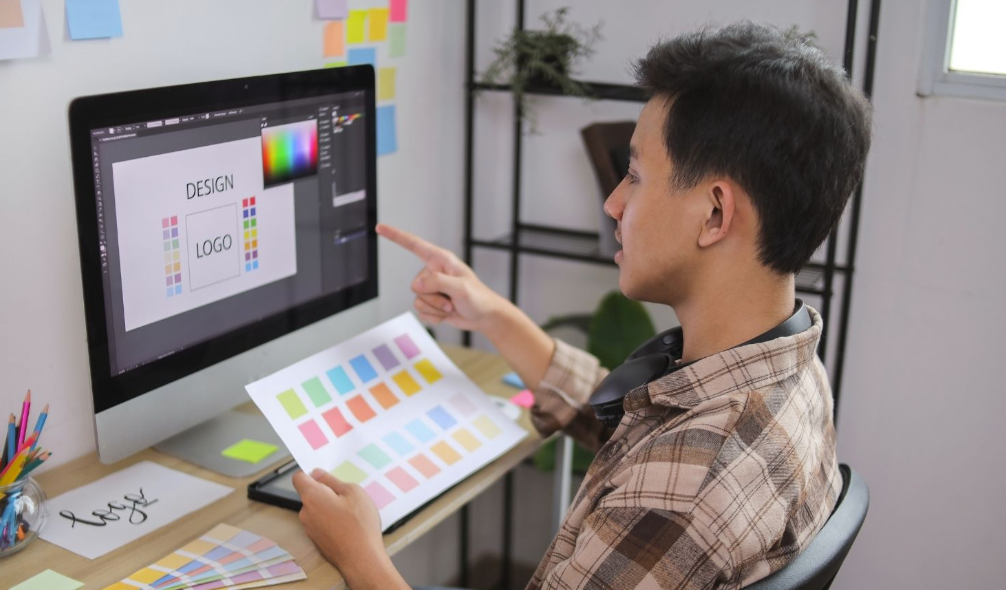
3d496.com is a website-related keyword that can be associated with 3D modeling, digital design, creative software, 3D tools, rendering, animation, visualization, CAD, game assets, product design, architecture, and practical design tutorials. Users may also search for related phrases such as 3d496.com modeling, 3d496.com tools, 3d496.com design, and 3d496.com guide.
The name 3d496.com naturally creates a connection with three-dimensional digital content. This makes it suitable for a platform focused on helping beginners, designers, artists, students, developers, architects, and creative professionals understand how 3D modeling and design workflows work.
Three-dimensional design is now used in many industries. Game developers create characters and environments, architects build visual representations of structures, manufacturers design products, animators create digital scenes, and marketing teams use 3D visuals to present products in more engaging ways.
A platform such as 3d496.com can bring these areas together through modeling tutorials, software explanations, design principles, workflow guides, rendering tips, and practical information about modern 3D tools.
Introduction to 3d496.com
3d496.com can be understood as a broad 3D design and modeling information platform.
The “3D” part of the name immediately connects the platform with digital objects that have width, height, and depth.
The numerical element “496” gives the brand a distinctive identity while keeping the focus broad enough to cover different areas of three-dimensional design.
3d496.com can publish educational content about modeling, texturing, lighting, rendering, animation, sculpting, CAD, visualization, 3D printing, and design software.
The platform can serve both complete beginners and more experienced creators.
What Is 3d496.com?
3d496.com is a brand-like domain keyword that can represent an online resource focused on 3D modeling, design, tools, and creative education.
A 3D Modeling Platform
The website can explain how three-dimensional objects are created.
A Design Resource
Readers can learn about composition, shape, proportion, materials, lighting, and visual presentation.
A Software and Tools Platform
3d496.com tools content can cover different software categories and workflow utilities.
A Practical Guide Resource
3d496.com guide content can help users understand specific tasks through step-by-step explanations.
Understanding the Different 3d496.com Keywords
The supplied keywords represent different search intentions.
3d496.com Modeling
The phrase 3d496.com modeling can represent users searching for tutorials, techniques, and information about creating three-dimensional objects.
This can include polygon modeling, sculpting, hard-surface modeling, architectural modeling, character creation, and product visualization.
3d496.com Tools
3d496.com tools can represent users looking for software, utilities, plugins, rendering engines, modeling applications, texture tools, or workflow resources.
3d496.com Design
3d496.com design can cover broader creative concepts including composition, form, materials, color, lighting, user presentation, and visual development.
3d496.com Guide
3d496.com guide can serve as a broad educational keyword for tutorials, beginner resources, software instructions, modeling workflows, and design explanations.
Why 3d496.com Can Attract Readers
Interest in 3D design continues to expand.
Growth of Game Development
Games require environments, characters, props, and visual effects.
Architectural Visualization
Architects and designers use 3D software to communicate ideas.
Product Design
Manufacturers and designers create digital prototypes before production.
3D Printing
Printable models have created new opportunities for hobbyists and professionals.
Growth of Digital Content
Advertising, animation, social media, and virtual experiences increasingly use 3D visuals.
Key Features of 3d496.com
Several features can help the platform provide long-term value.
Beginner-Friendly Tutorials
New users often need simple explanations.
Modeling Guides
Different modeling methods can have dedicated sections.
Software Comparisons
Readers may want to understand the strengths and limitations of different tools.
Rendering Tutorials
Lighting and rendering can significantly improve final visuals.
Design Principles
Technical skill alone does not guarantee strong design.
Workflow Advice
Efficient workflows can help users complete projects faster.
What Is 3D Modeling?
3D modeling is the process of creating a digital representation of a three-dimensional object.
A model can represent almost anything, including:
- Furniture
- Buildings
- Characters
- Vehicles
- Products
- Landscapes
- Mechanical parts
- Game assets
- Interior spaces
The process can vary depending on the software and intended use.
Polygon Modeling
Polygon modeling is one of the most common techniques.
Vertices
Vertices are individual points in 3D space.
Edges
Edges connect vertices.
Faces
Faces create visible surfaces.
Meshes
A collection of connected vertices, edges, and faces forms a mesh.
Polygon modeling gives users direct control over object structure.
Box Modeling
Box modeling usually begins with a simple cube or other primitive.
The creator gradually adds detail by extruding, scaling, cutting, and adjusting geometry.
This method is often useful for hard-surface objects and simple characters.
Hard-Surface Modeling
Hard-surface modeling focuses on objects with manufactured or mechanical forms.
Examples can include:
- Vehicles
- Weapons
- Machines
- Electronics
- Furniture
- Tools
- Industrial products
Clean geometry and accurate proportions are important.
Organic Modeling
Organic modeling focuses on softer and more natural forms.
Examples include:
- Humans
- Animals
- Plants
- Creatures
- Clothing
- Natural environments
Sculpting tools are often used alongside traditional modeling techniques.
Digital Sculpting
Digital sculpting works more like shaping virtual clay.
Brushes
Artists use different brushes to push, pull, smooth, and carve surfaces.
High Detail
Sculpting can create complex forms and fine details.
Characters
Character artists often rely heavily on sculpting.
Retopology
Highly detailed sculpted models may need cleaner geometry before animation or game use.
Retopology
Retopology is the process of creating a cleaner mesh over a complex model.
Better Animation
Good topology can improve deformation.
Lower Polygon Count
Models can be optimized for performance.
Cleaner Structure
Organized edge flow can make editing easier.
Low-Poly Modeling
Low-poly modeling uses a limited number of polygons.
Game Performance
Lower polygon counts can improve real-time performance.
Stylized Visuals
Low-poly art can have a distinctive aesthetic.
Mobile Games
Optimized models can be especially useful on limited hardware.
High-Poly Modeling
High-poly models contain more geometric detail.
Product Visualization
Detailed objects can look highly realistic.
Film and Animation
High-quality visuals often require detailed assets.
Baking
High-poly details can sometimes be transferred onto lower-poly models through texture maps.
3d496.com Modeling for Beginners
3d496.com modeling content can help beginners develop a structured learning process.
Learn Navigation
Understanding camera movement and viewport controls is essential.
Start With Simple Shapes
Cubes, spheres, cylinders, and planes are useful practice objects.
Learn Transform Tools
Move, rotate, and scale are fundamental operations.
Practice Extrusion
Extrusion is widely used in polygon modeling.
Study Proportions
Good proportions improve realism and design quality.
Modeling Workflow
A clear workflow can make projects easier.
Reference Collection
Gather images before starting.
Blockout
Create simple shapes to establish proportions.
Secondary Forms
Add more structure after the main shape is correct.
Fine Details
Small details should usually come later.
Cleanup
Check geometry before moving forward.
Using Reference Images
Reference images can improve accuracy.
Front Views
Front images help establish width and proportions.
Side Views
Side references help define depth.
Perspective Images
Perspective views provide additional context.
Real Products
Real-world references can help improve material and detail accuracy.
Proportion in 3D Design
Proportion influences whether an object feels believable.
Relative Size
Different components should relate logically.
Human Scale
Architecture and furniture often need realistic scale.
Visual Balance
Good proportion can improve aesthetic quality.
3d496.com Tools
3d496.com tools can cover a wide range of software used during 3D workflows.
Different tools serve different purposes.
3D Modeling Software
Modeling applications allow users to create digital objects.
Common software categories can include:
- Polygon modeling software
- Sculpting programs
- CAD applications
- Game development tools
- Architectural design platforms
- Animation software
Users should choose tools based on workflow needs rather than popularity alone.
Sculpting Tools
Sculpting applications can help create highly detailed organic models.
Useful features may include:
- Dynamic brushes
- Symmetry
- Remeshing
- Surface detailing
- Masking
- Layered sculpting
CAD Tools
CAD stands for computer-aided design.
CAD software is widely used for precise technical modeling.
Product Design
Manufacturers can create exact components.
Engineering
Mechanical parts can be designed with specific measurements.
Architecture
Building elements can be planned accurately.
3D Printing
CAD models can be prepared for fabrication.
Rendering Tools
Rendering software converts a 3D scene into a final image or animation.
Ray Tracing
Ray tracing simulates how light interacts with objects.
Real-Time Rendering
Game engines can create interactive visual results.
Offline Rendering
Some renderers prioritize quality over speed.
Texture Tools
Textures add surface detail.
Color Maps
These define basic surface color.
Normal Maps
Normal maps can simulate small surface detail.
Roughness Maps
These influence how reflective a material appears.
Metallic Maps
These help define metal-like surfaces.
UV Mapping Tools
UV mapping prepares a 3D surface for textures.
A 3D model is essentially unfolded into a two-dimensional layout.
Good UV organization can make texturing easier.
3d496.com Design
3d496.com design can focus on both technical and artistic aspects of 3D creation.
Basic Design Principles
Strong 3D work depends on more than software knowledge.
Balance
Visual elements should feel intentionally arranged.
Contrast
Differences in size, color, light, or shape can create visual interest.
Hierarchy
Important elements should attract attention first.
Repetition
Repeated design elements can create consistency.
Proportion
Size relationships influence visual harmony.
Shape Language
Shape language refers to the use of visual forms to communicate style or personality.
Circular Shapes
Rounded forms can feel friendly or soft.
Square Shapes
Block-like forms can feel stable and strong.
Triangular Shapes
Sharp forms can feel energetic or aggressive.
These principles can be useful in character and product design.
Color in 3D Design
Color strongly affects visual presentation.
Color Harmony
Compatible colors can make a design feel unified.
Contrast
Strong contrast can highlight important areas.
Saturation
High saturation creates stronger visual intensity.
Value
Light and dark differences affect readability.
Lighting in 3D Design
Lighting can dramatically change how a model appears.
Key Light
The key light usually provides primary illumination.
Fill Light
Fill light reduces deep shadows.
Rim Light
A rim light can help separate objects from backgrounds.
Environment Lighting
Large environments can influence the overall mood.
Three-Point Lighting
Three-point lighting is a common setup.
It usually includes:
- Key light
- Fill light
- Back or rim light
This approach can provide balanced presentation for characters and products.
Materials and Shaders
Materials determine how surfaces react to light.
Metal
Metal surfaces behave differently from plastic or wood.
Glass
Transparent materials require careful lighting.
Fabric
Fabric often requires fine surface texture.
Skin
Skin materials can be complex due to light behavior beneath the surface.
PBR Workflow
PBR stands for physically based rendering.
It aims to create materials that respond to light more realistically.
Typical PBR maps can include:
- Base color
- Roughness
- Metallic
- Normal
- Ambient occlusion
Texturing
Texturing adds surface appearance to models.
Hand-Painted Textures
Artists can paint details manually.
Photo-Based Textures
Photographs can sometimes be used as a starting point.
Procedural Textures
Mathematical systems can generate repeating or random patterns.
Procedural Design
Procedural methods use rules or algorithms to generate content.
Environments
Large landscapes can be generated efficiently.
Materials
Procedural textures can provide flexible variation.
Architecture
Repeated structures can sometimes be generated through systems.
3D Rendering
Rendering transforms scene data into final visuals.
Lighting
Light placement affects realism and mood.
Materials
Surface settings influence reflections and color.
Camera
Composition determines what viewers see.
Render Settings
Quality settings affect speed and output.
Realistic Rendering
Realism depends on several elements working together.
Accurate Materials
Surfaces should react correctly to light.
Good Lighting
Natural-looking lighting improves realism.
Proper Scale
Incorrect scale can make objects look unrealistic.
Small Imperfections
Perfect surfaces can sometimes appear artificial.
Stylized Rendering
Not every project needs realism.
Stylized rendering can use exaggerated shapes, simplified materials, and unusual colors.
This approach is common in games, animation, and illustration.
Product Visualization
3D product visualization allows designers to present objects before physical production.
Electronics
Phones, watches, and devices can be visualized digitally.
Furniture
Interior products can be presented in different settings.
Packaging
Brands can test packaging concepts.
Marketing
High-quality renders can be used in promotional material.
Architectural Visualization
Architecture is another major application of 3D design.
Exterior Visualization
Designers can show how buildings may look.
Interior Visualization
Rooms can be rendered before construction.
Lighting Studies
Designers can explore different lighting conditions.
Materials
Walls, floors, furniture, and fixtures can be tested digitally.
Interior Design
3D tools allow interior designers to experiment before physical changes are made.
Furniture Placement
Different layouts can be tested.
Color Schemes
Walls and materials can be changed digitally.
Lighting
Lighting scenarios can be compared.
Space Planning
Proportions can be reviewed before implementation.
Game Asset Design
Game development relies heavily on 3D assets.
Characters
Players and non-player characters need models.
Props
Weapons, furniture, vehicles, and small objects populate environments.
Environments
Buildings and landscapes create game worlds.
Optimization
Game assets need to balance quality and performance.
Character Modeling
Character creation is a specialized field.
Anatomy
Human and animal anatomy knowledge can improve realism.
Proportions
Stylized characters may deliberately change realistic proportions.
Clothing
Garments require additional modeling or simulation.
Hair
Hair can be created using cards, geometry, or specialized systems.
Character Design
Character design begins before modeling.
Silhouette
A strong character should be recognizable from its outline.
Personality
Shapes, clothing, and colors can communicate character traits.
Function
Design should fit the role of the character.
Environment Design
Environment design creates spaces for games, animation, or visualization.
Composition
Scenes should guide the viewer’s eye.
Scale
Objects should feel correctly sized relative to one another.
Storytelling
Environments can suggest history and purpose.
Lighting
Lighting can create mood and focus.
Vehicle Modeling
Vehicles require careful attention to proportions.
Reference Images
Multiple views can improve accuracy.
Body Panels
Surface transitions should remain clean.
Wheels
Wheel size strongly affects overall proportions.
Interior
Detailed projects may include dashboards and seats.
Furniture Modeling
Furniture is useful practice for hard-surface modeling.
Tables
Simple shapes can teach proportion.
Chairs
Chairs combine structure and comfort considerations.
Cabinets
Cabinet modeling can introduce repeated geometry.
Sofas
Soft furniture can combine hard-surface and organic techniques.
3D Printing
3D printing converts digital models into physical objects.
Printable Geometry
Models need clean and appropriate geometry.
Scale
Dimensions should be checked carefully.
Supports
Some designs require support structures during printing.
Materials
Different printers use different materials.
Preparing Models for 3D Printing
Several checks are important.
Watertight Geometry
Models should generally form closed volumes.
Wall Thickness
Thin sections may not print correctly.
Orientation
Print orientation can influence strength and quality.
Tolerance
Moving or connected parts may require small gaps.
Animation
Animation gives movement to 3D objects.
Keyframes
Keyframes define important positions over time.
Timing
Timing affects how movement feels.
Curves
Animation curves control transitions.
Physics
Simulation can produce more natural movement in certain cases.
Character Rigging
Rigging adds a digital skeleton to a character.
Bones
Bones control different body areas.
Skinning
The model is connected to the skeleton.
Controls
Custom controls can simplify animation.
Deformation
Good topology helps joints move naturally.
3D Animation Principles
Many traditional animation principles apply to 3D work.
Timing and Spacing
Movement speed affects realism and personality.
Anticipation
Small movements can prepare viewers for larger actions.
Follow-Through
Secondary movement can make animation feel natural.
Exaggeration
Stylized motion can improve clarity.
Simulation Tools
Simulation can create complex effects.
Cloth
Fabric can respond to movement.
Hair
Hair can follow physical forces.
Smoke
Particle and fluid systems can create smoke.
Fire
Fire effects can be simulated.
Water
Fluid simulations can create realistic liquid behavior.
Particle Systems
Particle systems can generate large numbers of small elements.
Examples include:
- Rain
- Snow
- Sparks
- Dust
- Smoke
- Magic effects
3d496.com Guide for Beginners
3d496.com guide content can help beginners avoid common mistakes.
Start Simple
Complex character projects can be frustrating for new users.
Learn One Tool at a Time
Trying to learn every feature simultaneously can slow progress.
Practice Regularly
Short frequent practice can be more effective than rare long sessions.
Finish Small Projects
Completing small models builds confidence.
Study Professional Work
Observing good models can improve visual understanding.
Choosing Your First 3D Software
Beginners should consider several factors.
Learning Curve
Some tools are easier to learn.
Project Type
Architecture and character modeling may require different features.
Budget
Free and paid software options are available.
Hardware
Some applications require more powerful computers.
3d496.com Tools for Beginners
Beginner tools should make basic concepts easy to understand.
Useful categories can include:
- Modeling software
- Sculpting tools
- Rendering applications
- Texture programs
- Reference tools
- Image editors
- Game engines
The best tool depends on the user’s goals.
Hardware for 3D Modeling
3D work can require substantial computing resources.
CPU
Processors influence many calculations.
GPU
Graphics cards are important for viewport performance and some rendering methods.
RAM
Larger scenes can use significant memory.
Storage
Fast storage can improve loading and file handling.
Choosing a Graphics Card
GPU needs depend on the workflow.
Modeling
Basic modeling may not require the most powerful hardware.
Rendering
GPU rendering can benefit from stronger graphics cards.
VRAM
Large textures and scenes can require more video memory.
Compatibility
Rendering engines can have specific hardware requirements.
RAM for 3D Design
Memory affects how large a project can become.
Simple projects need less RAM, while detailed scenes with large textures can require significantly more.
Users should match hardware to project size rather than assuming one specification suits everyone.
Storage for 3D Projects
3D files can become large.
SSD Storage
Fast drives can improve loading times.
Backup Storage
Important projects should have backups.
Cloud Storage
Online backups can provide additional protection.
File Formats
Different 3D applications use different formats.
OBJ
A common geometry format.
FBX
Often used for models and animation exchange.
STL
Common in 3D printing.
GLTF
Used for efficient web and real-time 3D.
Native Formats
Software-specific files can preserve more project information.
Asset Organization
Good file organization can save time.
Use Clear Names
Objects and materials should have understandable names.
Create Folders
Textures, models, renders, and references should be organized separately.
Use Versions
Saving multiple versions can protect against mistakes.
Version Control for 3D Projects
Large teams may need structured file management.
Avoid Overwriting
Important project stages should remain available.
Team Collaboration
Different artists may work on the same project.
Backups
Version history can help recover earlier work.
3D Design for Games
Game design requires additional optimization.
Polygon Budget
Models need appropriate complexity.
Texture Resolution
Large textures can affect memory use.
LOD Models
Level-of-detail systems can use simpler models at longer distances.
Draw Calls
Too many materials and objects can affect performance.
Real-Time Rendering
Real-time rendering is used in games and interactive experiences.
Performance
Images must be generated quickly.
Lighting
Real-time lighting can be more limited than offline rendering.
Optimization
Efficient geometry and textures are essential.
3D Design for Film and Animation
Film production can prioritize visual quality.
Detailed Models
Assets can contain more geometry.
High-Resolution Textures
Close-up shots may require fine detail.
Advanced Lighting
Complex lighting setups can improve cinematic quality.
3D Design for Advertising
Advertising can use 3D visuals to present products in ways photography cannot easily achieve.
Product Renders
Objects can be shown from any angle.
Animated Ads
Products can move or transform.
Impossible Scenes
Digital environments can create visuals that would be expensive physically.
3D Design for Social Media
Short-form platforms increasingly use 3D visuals.
Product Animation
Small loops can attract attention.
Stylized Graphics
3D typography and shapes can create distinctive posts.
Motion Design
Animated objects can improve engagement.
3D Typography
Text can also be designed in three dimensions.
Extrusion
Flat letters can be given depth.
Materials
Metal, glass, plastic, and other surfaces can change appearance.
Lighting
Shadows can make typography more dramatic.
Motion Graphics
Motion graphics combine design and animation.
Logos
Brands can animate logos.
Titles
3D title sequences can improve presentations.
Product Videos
Motion design can highlight features.
Portfolio Development
A strong portfolio is important for creative professionals.
Show Finished Work
Select the strongest projects.
Include Different Skills
A portfolio can demonstrate modeling, texturing, lighting, and rendering.
Explain Your Role
Team projects should clearly identify individual contributions.
Quality Over Quantity
A smaller number of strong projects is usually better than many unfinished ones.
Building a 3D Career
3D skills can support several career paths.
3D Modeler
Modelers create digital objects.
Character Artist
Character artists specialize in people and creatures.
Environment Artist
Environment artists build digital spaces.
Product Visualizer
Visualizers create realistic commercial renders.
Architectural Visualizer
Artists create building and interior presentations.
Technical Artist
Technical artists connect art and technology.
Freelancing in 3D Design
Freelancing can offer flexible opportunities.
Build a Portfolio
Clients want evidence of ability.
Define Services
Clear service descriptions reduce confusion.
Set Realistic Deadlines
Rendering and revisions can take time.
Communicate Clearly
Clients should understand what files and revisions are included.
Common 3D Modeling Mistakes
Beginners often encounter similar problems.
Adding Detail Too Early
Primary shapes should be correct first.
Ignoring Scale
Incorrect scale can create problems later.
Poor Topology
Messy geometry can affect texturing and animation.
Too Many Polygons
Unnecessary geometry can slow workflows.
Weak References
Guessing proportions can reduce accuracy.
Common Rendering Mistakes
Rendering quality can suffer from several issues.
Flat Lighting
Scenes may lack depth.
Incorrect Materials
Surfaces can appear unrealistic.
Too Much Reflection
Highly reflective materials can look artificial.
Excessive Noise
Low render quality can create grain.
Poor Composition
Even technically good renders need strong camera placement.
Common Design Mistakes
Technical skill alone does not guarantee good visuals.
Too Many Details
Excessive complexity can make designs confusing.
Weak Focal Point
Viewers may not know where to look.
Inconsistent Style
Mixed visual styles can reduce coherence.
Poor Color Balance
Colors should support the intended mood.
Improving 3D Modeling Skills
Consistent improvement requires focused practice.
Model Everyday Objects
Common objects are useful practice subjects.
Study Anatomy
Character artists can benefit from anatomical knowledge.
Practice Perspective
Understanding perspective improves form.
Get Feedback
Constructive criticism can reveal weaknesses.
Repeat Projects
Remaking older work can demonstrate progress.
Improving 3D Design Skills
Design skills develop through observation and practice.
Study Shape Language
Understand how forms communicate ideas.
Analyze Good Design
Look at products, architecture, games, and films.
Practice Composition
Arrange objects intentionally.
Learn Lighting
Lighting can transform simple scenes.
3d496.com Guide to Better Workflow
A strong workflow reduces unnecessary work.
Plan Before Modeling
Reference and concept preparation can save time.
Block Out First
Do not focus on details immediately.
Save Versions
Keep multiple project files.
Name Objects Clearly
Good naming becomes important in large scenes.
Optimize Before Final Output
Remove unnecessary complexity.
3D Collaboration
Large projects often involve multiple people.
Modelers
Create assets.
Texture Artists
Develop surface detail.
Riggers
Prepare characters for animation.
Animators
Create movement.
Lighting Artists
Build final lighting setups.
Technical Artists
Solve pipeline problems.
Cloud Collaboration for 3D Projects
Remote teams increasingly share assets online.
File Sharing
Large files require reliable storage.
Version Management
Teams should avoid working on outdated files.
Communication
Clear project updates can reduce mistakes.
AI and 3D Design
Artificial intelligence is beginning to influence creative workflows.
Concept Generation
AI can help generate visual references.
Texture Assistance
Some tools can assist with texture creation.
Model Generation
Emerging systems can create or assist with 3D geometry.
Automation
Repetitive tasks may be simplified.
AI-generated results still require human review, cleanup, and design judgment.
Procedural Generation and AI
Procedural systems and AI can work together.
Large Worlds
Games can generate environments more efficiently.
Variations
Systems can create multiple design alternatives.
Production Speed
Automation can reduce repetitive manual work.
Virtual Reality and 3D Design
VR relies heavily on three-dimensional assets.
Immersive Environments
Users can explore digital spaces.
Interactive Objects
Objects need appropriate scale and controls.
Performance Optimization
VR applications require efficient rendering.
Augmented Reality
AR places digital elements into real-world views.
Product Preview
Users can visualize furniture or products.
Education
3D models can improve interactive learning.
Marketing
Brands can create interactive campaigns.
Digital Twins
Digital twins are virtual representations of physical systems or objects.
They can be used in:
- Manufacturing
- Architecture
- Engineering
- Infrastructure
- Product monitoring
This area connects 3D design with data and simulation.
3d496.com Modeling for Students
Students can use modeling guides to build foundational skills.
Start With Fundamentals
Navigation and simple geometry should come first.
Practice Through Projects
Small projects provide clear goals.
Learn File Management
Good organization becomes important quickly.
Build a Portfolio Gradually
Completed projects can demonstrate progress.
3d496.com Tools for Professionals
Professional users may need more advanced workflows.
Rendering Engines
High-quality rendering may require specialized tools.
Simulation Software
Complex effects can need dedicated systems.
Pipeline Tools
Studios use tools to manage large productions.
Automation
Scripts can speed up repetitive work.
3d496.com Design for Freelancers
Freelancers can use strong design skills to offer services such as:
- Product renders
- Architectural visualization
- Game assets
- Character models
- 3D logos
- Motion graphics
- Printable models
3d496.com Guide for Game Developers
Game developers can benefit from structured asset creation.
Define Platform Limits
Mobile and PC projects may have different requirements.
Optimize Assets
Polygon count and texture size matter.
Test in Engine
Models should be checked in the actual game environment.
Maintain Consistency
Asset style should remain unified.
3d496.com Guide for Architects
Architectural users can focus on:
- Accurate dimensions
- Material selection
- Lighting
- Interior layouts
- Exterior visualization
- Client presentations
3d496.com Guide for Product Designers
Product designers can use 3D tools for:
- Concept development
- Shape exploration
- Prototyping
- Material studies
- Rendering
- Manufacturing preparation
Content Quality on 3d496.com
Technical and creative content should remain practical.
Explain Steps Clearly
Beginners should understand what to do next.
Use Correct Terminology
Modeling and rendering terms should be explained accurately.
Avoid Tool Bias
Different software can be suitable for different users.
Update Software-Specific Content
Interfaces and features can change over time.
3d496.com and Search Engine Optimization
The supplied keywords can be used naturally according to their intent.
Natural Use of 3d496.com Modeling
3d496.com modeling fits tutorials about mesh creation, sculpting, topology, and asset development.
Natural Use of 3d496.com Tools
3d496.com tools can be used for software, plugins, rendering engines, and workflow resources.
Natural Use of 3d496.com Design
3d496.com design fits broader visual principles, materials, composition, and creative workflows.
Natural Use of 3d496.com Guide
3d496.com guide can support beginner tutorials, professional workflows, and specific educational resources.
3d496.com Compared With Other 3D Websites
Different 3D websites focus on different audiences.
Compared With Software Documentation
Official documentation can be highly technical.
3d496.com can provide simpler practical explanations.
Compared With Portfolio Websites
Portfolio sites primarily display finished work.
3d496.com can focus on how that work is created.
Compared With 3D Asset Marketplaces
Marketplaces focus on buying and selling models.
3d496.com can prioritize education and design knowledge.
Compared With Tutorial Websites
Tutorial sites may focus on one application.
3d496.com can potentially cover multiple tools and industries.
What Can Make 3d496.com Different?
Several factors can help the platform develop a distinctive identity.
Modeling and Design Together
Technical skills can be connected with visual principles.
Tool Education
Software explanations can support beginners.
Practical Guides
Step-by-step resources can solve real workflow problems.
Multiple Industries
Game development, architecture, product design, animation, and 3D printing can all be covered.
Beginner-Friendly Content
Complex technical topics can be simplified.
Benefits of Using 3d496.com
3d496.com can provide several potential benefits.
Modeling Education
Readers can understand different 3D creation techniques.
Tool Guidance
Users can learn which software categories fit their needs.
Design Knowledge
Visual principles can improve creative work.
Practical Guides
Step-by-step explanations can support learning.
Career Education
Students and freelancers can explore different 3D career paths.
Challenges for 3d496.com
A 3D design platform can face several challenges.
Software Changes Quickly
Interfaces and features evolve.
Technical Complexity
3D workflows can be difficult for beginners.
Hardware Requirements
Some projects require powerful computers.
Broad Industry Coverage
Architecture and game development use different workflows.
Strong Competition
3D tutorials are a competitive online category.
Opportunities for 3d496.com
Several areas can support long-term growth.
Beginner Modeling Tutorials
New users frequently search for basic guidance.
Software Guides
Different 3D tools create many content opportunities.
AI and 3D Design
Emerging AI tools can create new topics.
3D Printing
Printable design continues to attract hobbyists and professionals.
Game Development
Real-time 3D provides ongoing demand.
Product Visualization
Brands increasingly use digital product imagery.
How 3d496.com Can Build a Loyal Audience
Returning readers can support long-term website growth.
Publish Practical Tutorials
Useful guides can encourage repeat visits.
Update Tool-Specific Articles
Software content should remain current.
Cover Multiple Skill Levels
Beginners and professionals need different resources.
Focus on Real Projects
Project-based tutorials can be easier to follow.
Maintain Clear Categories
Modeling, tools, design, and guides should be easy to locate.
Future of 3d496.com Modeling
3D modeling will continue evolving.
More AI-Assisted Workflows
AI may reduce repetitive tasks.
Better Real-Time Tools
Game engines and interactive renderers will continue improving.
More Procedural Modeling
Rule-based systems can speed up asset creation.
Greater Accessibility
Software may become easier for beginners to use.
Future of 3d496.com Tools
Creative tools are becoming more connected.
Cloud-Based Workflows
Teams can collaborate remotely.
AI Features
More applications may include automated assistance.
Real-Time Rendering
Faster previews can improve workflows.
Cross-Platform Tools
Creators increasingly move assets between multiple applications.
Future of 3d496.com Design
Three-dimensional design will continue expanding into new areas.
Virtual Reality
Immersive experiences need 3D assets.
Augmented Reality
Digital objects can be placed into real environments.
Digital Commerce
Customers may preview products in 3D before buying.
Virtual Production
Film and media production increasingly use real-time 3D environments.
Why 3d496.com Can Remain Relevant
3d496.com can remain relevant by combining modeling education, design principles, software knowledge, and practical guides.
The keyword 3d496.com modeling can support content about polygon modeling, sculpting, topology, game assets, product design, and architectural visualization.
3d496.com tools can focus on modeling software, rendering engines, texture applications, CAD systems, plugins, and workflow utilities.
3d496.com design can cover composition, color, shape language, materials, lighting, product visualization, and creative development.
The broad keyword 3d496.com guide can bring these areas together through clear tutorials for beginners, students, freelancers, professionals, game developers, architects, and designers.
FAQs About 3d496.com
What Is 3d496.com Modeling?
3d496.com modeling can represent educational content about creating three-dimensional digital objects, including polygon modeling, sculpting, hard-surface modeling, character creation, architectural modeling, and game assets.
What Type of 3d496.com Tools Can Users Learn About?
3d496.com tools can cover modeling software, sculpting applications, CAD programs, rendering engines, texture tools, animation software, plugins, and workflow utilities.
What Does 3d496.com Design Cover?
3d496.com design can cover visual principles such as composition, proportion, shape language, color, materials, lighting, product visualization, architecture, characters, and environments.
What Is a 3d496.com Guide?
A 3d496.com guide can be a beginner or advanced educational resource explaining specific 3D workflows, software features, modeling techniques, rendering processes, or design methods.
Is 3d496.com Suitable for Beginners?
Yes, 3d496.com can serve beginners by explaining 3D terminology, simple modeling techniques, software basics, design principles, and step-by-step creative workflows.
How Can 3d496.com Grow in the Future?
3d496.com can grow by publishing modeling tutorials, software guides, design education, AI-assisted 3D workflows, rendering tutorials, game-development resources, architectural visualization content, and 3D-printing guides.
Conclusion
3d496.com represents a broad 3D modeling and design platform that can provide readers with useful information about digital modeling, design tools, rendering, animation, texturing, sculpting, game development, architectural visualization, product design, and emerging creative technology.
The phrase 3d496.com modeling creates a strong foundation for tutorials covering polygon modeling, sculpting, topology, low-poly assets, high-poly models, characters, environments, vehicles, and products.
3d496.com tools can expand the platform into software, plugins, rendering engines, texture applications, CAD systems, animation tools, and creative workflow resources.
The keyword 3d496.com design allows the website to go beyond technical modeling and explain composition, shape, color, materials, lighting, proportion, and visual communication.
Finally, 3d496.com guide can serve as the broad educational category connecting all these areas through clear and practical tutorials.
As 3D technology becomes more important in gaming, architecture, advertising, manufacturing, virtual reality, augmented reality, animation, and digital commerce, demand for understandable design information can continue growing.
With useful modeling tutorials, practical 3d496.com tools content, strong 3d496.com design education, detailed 3d496.com guide resources, and clear beginner-friendly explanations, the platform can continue developing as a valuable resource for students, artists, designers, developers, architects, freelancers, and professionals working with three-dimensional digital content.